
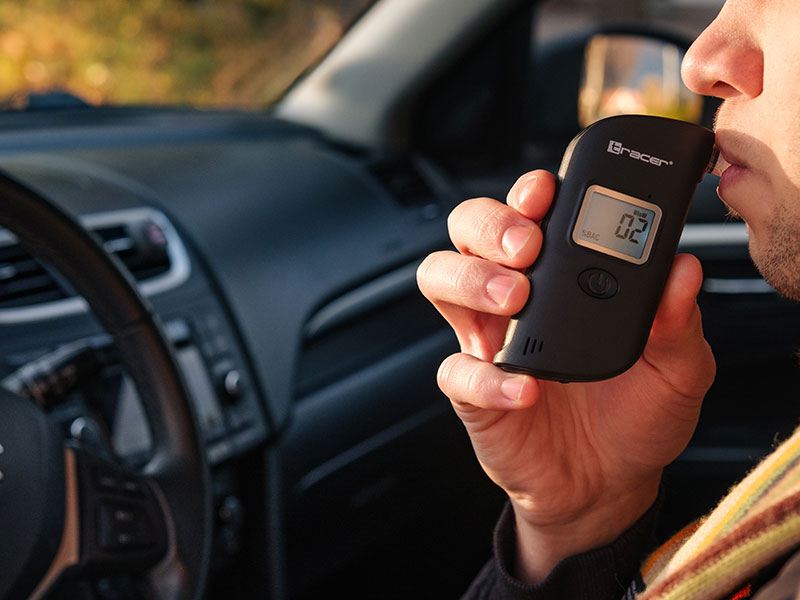
The South African beverage landscape is undergoing a transformation that is as much about legislative recalibration as it is about a fundamental shift in consumer identity. As the government accelerates its efforts toward enacting a zero-tolerance blood alcohol limit for drivers—a move intended to significantly curb road fatalities ahead of the busy festive season—the industry is being forced to confront a new reality. This regulatory shift, while urgent, serves as a catalyst for a market that is already pivoting toward moderation, intentional consumption, and the rising "sober-curious" movement.
Transport Minister Barbara Creecy’s announcement regarding the proposed amendment to Section 65 of the National Road Traffic Act represents a watershed moment. By seeking cabinet concurrence for a zero-percent blood alcohol limit by the end of 2026, the government is effectively removing the interpretative "just one drink" buffer that has historically characterised South African road safety norms. For the beverage industry, this policy is not merely a constraint; it is a profound nudge that reinforces the ongoing societal trends toward safer, healthier, and more mindful habits. The statistics supporting this move are stark: over 18,000 arrests for drunken driving between March and August 2026 illustrate the severity of the issue, and the industry’s response to this legislative pressure will define its relevance in the coming years.
This legislative shift arrives at a pivotal moment in the evolution of the South African consumer. Recent data from 2026 indicates that drinkers are increasingly prioritising "intentional consumption," a philosophy that elevates quality and personal experience over sheer volume. This transition is particularly pronounced among younger demographics, such as Gen Z, who are driving the demand for sophisticated, alcohol-free alternatives that do not compromise on flavour or social status.
The "daycap" phenomenon—the tendency to drink earlier in the day to avoid the "next-day regret"—has emerged as a dominant trend, signalling a departure from traditional late-night drinking patterns. This behavioural shift reflects a consumer need for the social ritual of a drink without the impairment or health consequences associated with traditional high-alcohol consumption. In response, retailers and producers are aggressively elevating their non-alcoholic categories. The market is seeing a surge in high-end, no- and low-alcohol spirits, beers, wines, and ready-to-drink (RTD) beverages that are designed for the "sober-curious".
The evolution of the retail landscape, evidenced by recent corporate movements such as the Shoprite Group’s proposed acquisition of PicardiRebel, underscores the industry’s focus on maintaining convenience and reach while adapting to these changing demands. As major retailers consolidate, the integration of physical and digital commerce is becoming a "new frontier". For brands, this means innovation must occur across every touchpoint—balancing convenience, personalisation, and cost efficiency in an environment where consumers are increasingly selective.
The "premiumization" of the drink category is being redefined. In 2026, premium is less about exclusionary price points and more about alignment with identity, values, and cultural resonance. For producers, this presents an opportunity to capture value by aligning non-alcoholic offerings with these premium pillars. Whether through the creative use of indigenous South African botanicals—such as rooibos, buchu, or honeybush—or through minimalist, high-drama packaging that appeals to aesthetic-conscious consumers, producers are demonstrating that "sober-curious" does not mean "lesser". Furthermore, the introduction of non-alcoholic cocktail gummies and canned, bar-strength non-alc offerings is blurring the lines between drink, sweet, and novelty, capturing the attention of consumers who are looking for modest, affordable luxuries.
However, this transition is occurring against a backdrop of significant economic friction. South African households remain under pressure from rising living costs, which has resulted in a "cautious consumption" mindset. Shoppers are highly sensitive to price, and strategies like "shrinkflation" are losing effectiveness as consumers push back. The beverage industry also faces the looming threat of a tiered excise taxation system for beer and wine, which aims to incentivise lower alcohol consumption through higher taxes on higher alcohol content. While the Beer Association of South Africa (BASA) has warned that such measures could disproportionately impact the sector and drive consumers toward the illicit market, the government maintains that higher excise is a tool to reduce alcohol-related harm.
Producers are therefore caught in a strategic tension: they must navigate the costs of innovating high-quality, non-alcoholic products while responding to a market that is increasingly cost-averse and wary of rising prices. Interestingly, external health trends, such as the rising use of anti-obesity medication, are also bringing widespread disruption to the food and beverages category, with consumption patterns shifting downward as health consciousness rises.
Despite these headwinds, the industry appears to be choosing a path of adaptation. The broader strategy of shifting from a volume-based model to a value-based model—emphasising provenance, sustainability, and authenticity—aligns perfectly with the move toward healthier drinking habits. Brands that can successfully bridge the gap between regulatory necessity, economic constraints, and consumer preference will be the ones that define the next decade of South African drinking culture.
As the industry looks toward the 2026 festive season, the intersection of stricter road safety laws and evolving consumer preferences creates a new paradigm. The challenge for producers, hospitality operators, and retailers is to facilitate this change by ensuring that the "dry" experience is as curated, sophisticated, and enjoyable as the traditional one. The era of alcohol as the de facto centrepiece of every social interaction is receding, being replaced by a more intentional approach where the "why" and "how" of the drink carry as much weight as the liquid inside the glass. For the forward-thinking industry player, the zero-alcohol policy is not an end-point; it is an invitation to innovate and lead.